Environmental Data Vertical Flyer
As an embroidery designer and product reviewer, I’ve evaluated countless machine embroidery designs, but few have the potential to stand out in both visual appeal and practical use like the Environmental Data Vertical Flyer. This design is more than just a template—it’s a versatile tool that can elevate a range of handmade and commercial projects. Let me walk through how it performs in real-world scenarios and what you need to know before using it in your next embroidery project.
A First Impression: Clean, Professional, and Purposeful
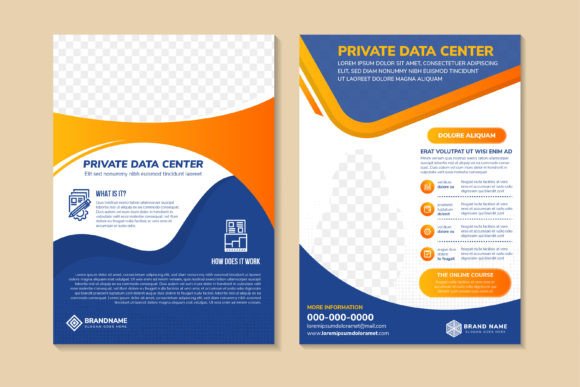
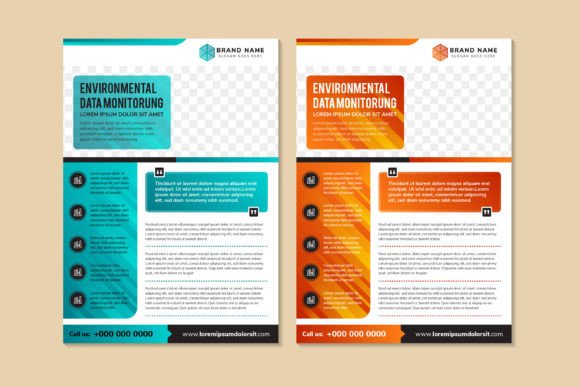
The Environmental Data Vertical Flyer immediately conveys a sense of clarity and professionalism. Its vertical layout, white background, and blue accents create a modern, clean aesthetic that feels right at home in eco-conscious or data-driven branding. The diagonal rectangle pattern and photo collage space suggest a balance between visual interest and flexibility, making it ideal for custom apparel, tote bags, or even embroidered patches.
This design isn’t overly busy, which is a big plus when working with limited hoop sizes or intricate details. It has a structured yet approachable feel, perfect for small business owners looking to add a touch of sophistication to their handmade products or Etsy listings.
Real-World Use Cases: From Tote Bags to Holiday Gifts
Imagine you’re designing a custom tote bag for a local environmental nonprofit. The Environmental Data Vertical Flyer would work beautifully as a central motif, especially if you’re using a satin stitch to highlight key elements like the headline or data points. Its vertical format ensures it fits well on the front of a tote without feeling cramped.
For baby items, such as a onesie or a blanket, the design could be adapted with softer thread colors and a lighter stitch density to maintain a gentle, safe look. It also has potential for holiday gifts, like embroidered kitchen towels or aprons, where the clean layout allows for easy customization with names or dates.
As an applique design, it could be layered over a fabric background to add depth and texture, making it suitable for pillow covers or decorative wall art. The design’s simplicity also makes it a good candidate for printable mockups, helping you visualize how it will look on different fabrics and garments before committing to stitching.
Where to Be Cautious: Fabric and Design Limitations
While the Environmental Data Vertical Flyer is visually strong, there are a few areas where care is needed. If you're working with small hoop sizes, you may find that some of the finer details—like the photo collage space or diagonal rectangles—get lost. It’s best to test the design on scrap fabric first to see how it translates.
On textured or stretchy fabrics, the design might not sit as smoothly, especially if the stitch density is too high. You’ll want to adjust your stabilizer and possibly reduce the fill stitch count in dense areas. Thin or dark fabrics could also pose challenges, particularly if the design relies on subtle color contrasts.
If you plan to use this on curved surfaces like caps or hats, be prepared to adjust the placement and possibly split the design into sections for better fit and visibility.
Impact on Visual Appeal and Customer Perception
When it comes to visual appeal, the Environmental Data Vertical Flyer is a winner. Its clean lines and structured layout make it easy to recognize, which is important for brand consistency and customer trust. A well-executed embroidery project using this design can significantly boost the perceived value of a handmade product or custom apparel.
It also enhances giftability. Whether it’s a personalized gift for a friend or a boutique product for your shop, the design adds a professional touch that customers will appreciate. Its versatility means it can be used across multiple product types, from tote bags to holiday decorations, making it a valuable addition to your design assets.
Practical Designer Notes: What to Check Before Using
Before jumping into your next embroidery project with the Environmental Data Vertical Flyer, here are a few key steps to follow:
- Test on scrap fabric: Always start with a sample to ensure the design works with your chosen materials and stitching technique.
- Check thread color contrast: Make sure the thread colors you choose complement the design’s layout and background.
- Review stitch density: Adjust the fill and satin stitches to avoid puckering or distortion, especially on delicate fabrics.
- Confirm hoop size: Ensure the design fits within your available hoop dimensions, or consider splitting it if necessary.
- Inspect small details: Pay attention to corners, lettering, and decorative elements to ensure they remain clear after stitching.
- Test in black and white: This helps identify any issues with contrast or visibility that might not be obvious in color.
- Compare light and dark backgrounds: Some designs may require adjustments depending on the fabric color.
- Use proper stabilizer: Especially important for thin or stretchy fabrics to prevent shifting during stitching.
- Check licensing: Confirm whether the design is suitable for commercial use or if additional permissions are required.
Final Thoughts: A Smart Choice for Creative Entrepreneurs
The Environmental Data Vertical Flyer is a thoughtful design that offers a lot of potential for creative entrepreneurs, crafters, and small business owners. Whether you're creating custom apparel, personalized gifts, or commercial embroidery projects, this design can help elevate your work with its clean, professional look.
Its versatility, combined with the right preparation and execution, makes it a solid choice for anyone looking to add a touch of sophistication to their handmade or digital products. Just remember to test it thoroughly and adapt it to your specific needs—because even the best design requires a little extra care to shine in the real world.